
Tomsen Novaskis: Making the Slopes More Accessible
Jan 31, 2026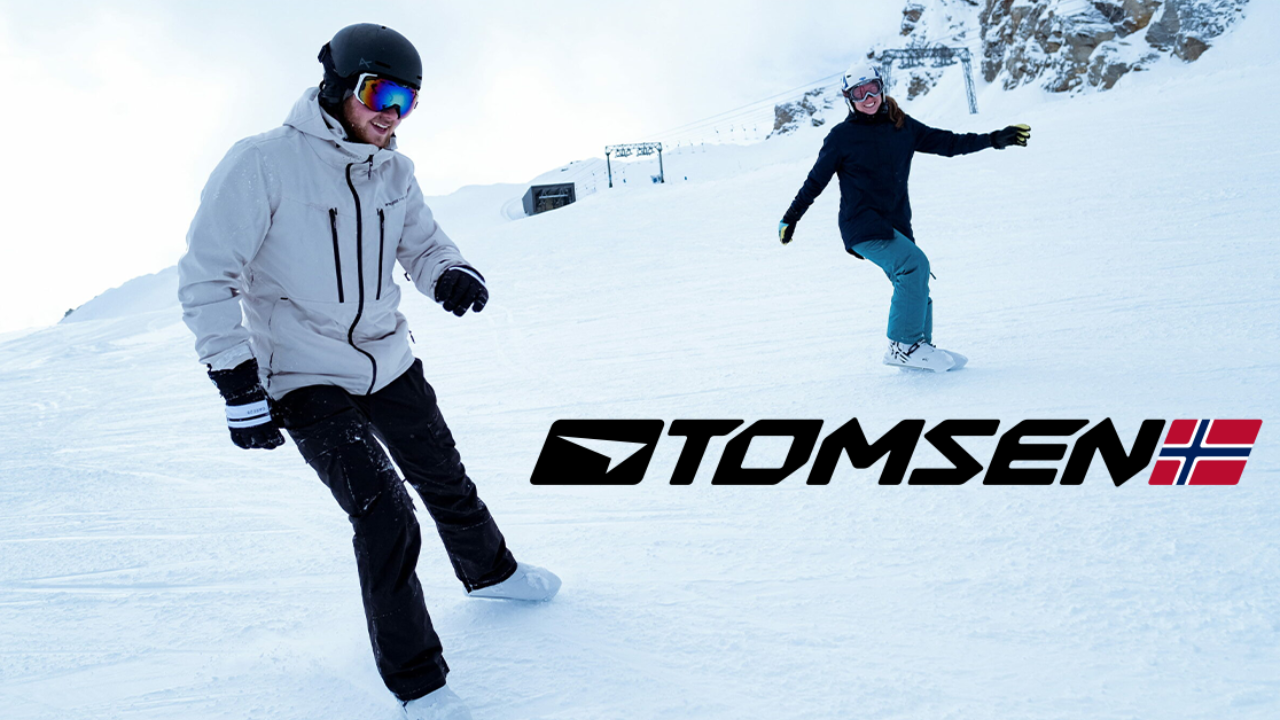
Winter sports have long been dominated by traditional skis and snowboards, both of which require time, technique, and patience to master. Every four years, the world watches elite athletes push the limits of speed, strength, and precision at the Winter Olympics. Events such as alpine skiing, freestyle skiing, and snowboard cross showcase breathtaking athleticism, with competitors carving at high speeds, launching off massive jumps, and navigating technical terrain with extraordinary control. While these performances inspire millions, they can also highlight how demanding and technical traditional snow sports can be for the average person.
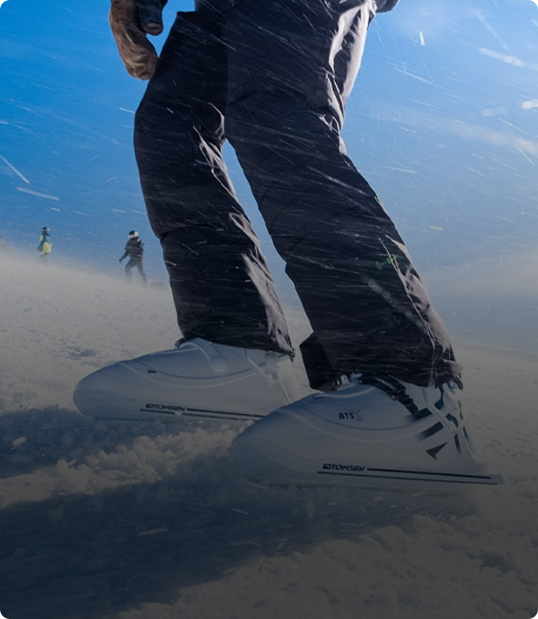
In recent years, Tomsen Novaskis have emerged as an innovative alternative that simplifies the learning process while preserving the excitement of carving down a snowy slope. Designed as short, independently mounted skis worn on each foot, Novaskis create a riding experience that feels more natural and less restrictive than conventional setups. They provide a way for everyday riders to experience the joy of sliding on snow—without needing Olympic-level balance or years of technical training.
One of the most noticeable differences is the ease of use. Traditional skis are long and demand coordinated pole use, precise weight transfer, and refined edge control that can take days—or even seasons—to fully understand. Snowboards, while thrilling, lock both feet into a single board, requiring riders to adapt to a sideways stance and often endure frequent falls while learning to balance. Novaskis, by contrast, allow independent foot movement and encourage a more upright, centered posture. This natural stance makes turning and stopping feel intuitive rather than highly technical, helping many first-time riders gain confidence more quickly.
The shorter length of Novaskis contributes significantly to control and stability. With less ski extending in front of and behind the foot, there is reduced leverage working against the rider. This results in quicker turns, smoother pivots, and a diminished feeling of being “pulled” down the hill. For beginners who may find traditional skis cumbersome or snowboards overwhelming, the compact design feels approachable and manageable. The learning curve becomes less steep, and the experience shifts from intimidating to enjoyable.
Another advantage lies in physical comfort and reduced fatigue. Long skis and rigid snowboard stances can place considerable strain on the knees, hips, and ankles, particularly for newcomers. Novaskis are lightweight and allow a more natural range of motion, which can ease stress on the body. Riders often find they can spend more time exploring the mountain, focusing on fun rather than fatigue.
Beyond ease and comfort, Novaskis bring a playful quality to snow sports. The independent movement of each foot allows for creative carving, quick directional changes, and dynamic control that feels closer to skating than traditional skiing. This makes them especially appealing to athletes familiar with balance-based sports, such as inline skating, who can transfer their edge awareness and fluid movement to the snow with surprising ease.
While the Winter Olympics celebrate the pinnacle of skiing and snowboarding performance, Tomsen Novaskis represent an important complement to that world. They make the slopes more accessible to families, beginners, and recreational athletes who simply want to enjoy the experience without mastering advanced technique. By lowering the barrier to entry and emphasizing intuitive movement, Novaskis invite more people to step onto the snow and feel the thrill for themselves. For anyone inspired by Olympic competition but seeking a simpler, more confidence-building way to ride, Novaskis offer a welcoming path to the mountain—one that makes winter adventure attainable for nearly everyone.
